
When can I Start Lymphatic Drainage Massage after Surgery
Post surgery lymphatic drainage massage in Singapore is one of the most effective ways to reduce swelling, prevent fibrosis, and speed up recovery after liposuction, tummy tuck, C-section, or abdominal surgery.
One of the most common questions we receive at Re:Chiropractic is: "I just had surgery — when can I come in?"
The honest answer is: it depends on your procedure, your surgeon's guidance, and how your body is healing. There is no single universal timeline. What we can tell you is that starting lymphatic drainage massage at the right time — not too early, not too late — makes a significant difference to your recovery outcome.
This page gives you a clear, evidence-informed guide based on procedure type. If you're unsure whether you're ready, WhatsApp us and Ms Diana will advise you personally before you book.
What Does the Research Say? Why Surgeons Recommend Lymphatic Drainage
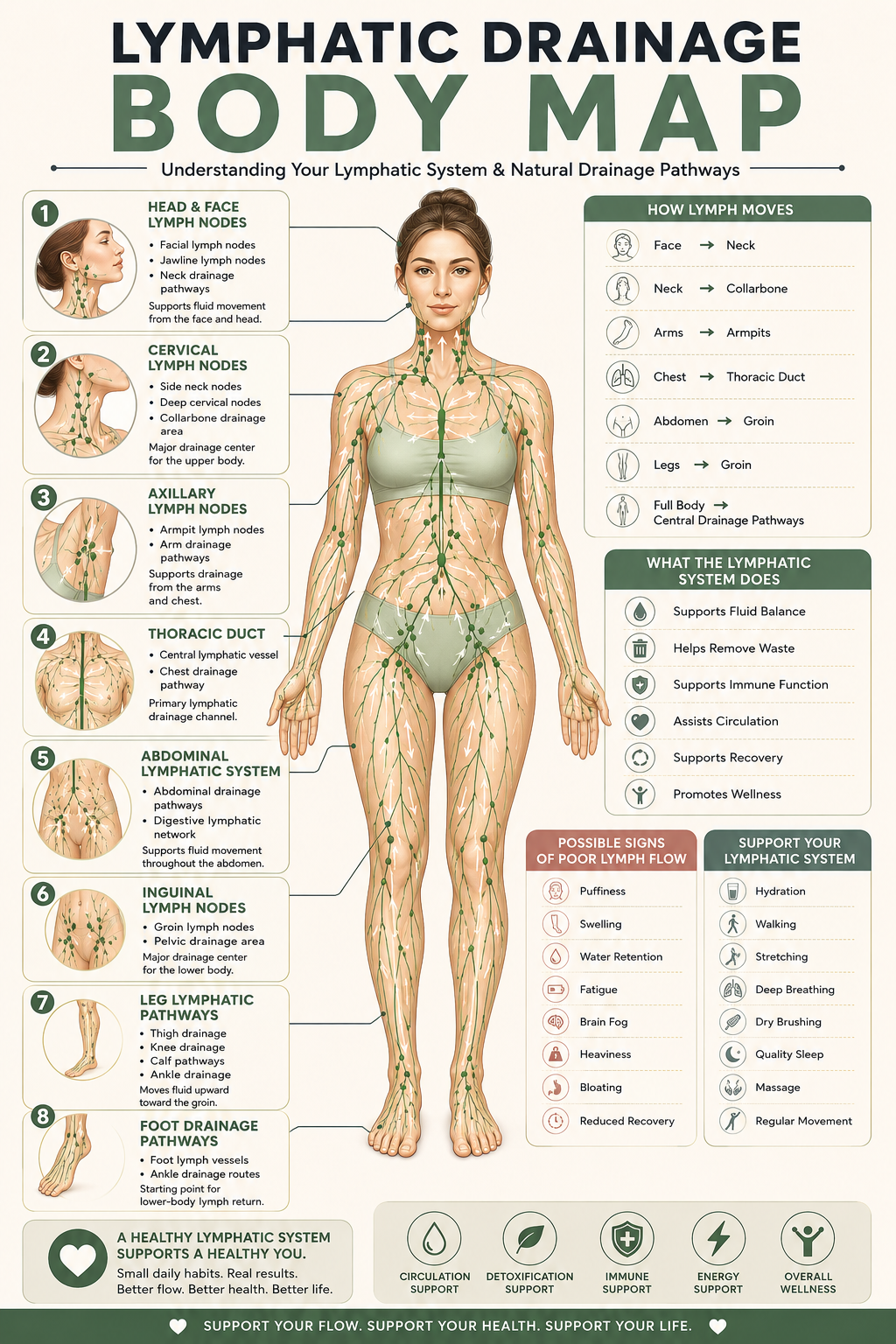
Post surgery lymphatic drainage massage is not just a wellness trend — it is an area of active clinical research with a growing body of evidence supporting its role in post-operative recovery.
Published clinical research on MLD and post-surgical recovery:
A clinical study published in the Indian Journal of Plastic Surgery (Masson et al., 2014) found statistically significant reductions in pain, swelling, and tissue fibrosis in patients who received manual lymphatic drainage following liposuction and lipoabdominoplasty. Patients underwent 12 sessions of MLD combined with therapeutic ultrasound, 3 times per week. Both the liposuction group and the combined liposuction-abdominoplasty group showed measurable improvements across all three outcomes. (Source: PubMed PMID 24987208 — pmc.ncbi.nlm.nih.gov/articles/PMC4075221/)
A peer-reviewed review article published in the National Library of Medicine (PMC10045879) confirmed that surgical procedures — including liposuction, facial surgery, and body contouring — routinely disrupt the lymphatic system's equilibrium, and that MLD has shown preliminary benefit in patients undergoing a variety of cosmetic procedures. The review notes that some surgeons have begun incorporating MLD into post-operative protocols specifically to reduce the risk of developing post-operative lymphedema. (Source: pmc.ncbi.nlm.nih.gov/articles/PMC10045879/)
Research suggests that MLD may stimulate increased lymph vessel contractions and encourage accessory lymphatic pathways to compensate for those disrupted by surgery — essentially supporting the body's innate healing mechanisms where they have been interrupted. (Source: NCBI via drbednar.com)
A Cochrane Library systematic review on MLD and lymphedema (Ezzo et al., 2015) noted that MLD reduces fibrotic formation by moving protein out of the interstitial space — directly addressing the tissue hardness that many post-surgical patients experience. The review proposed that "longstanding lymphedema with tissue fibrosis may not be amenable to compression alone but may respond to gentle massage breaking down scarring." (Source: Cochrane Library — cochranelibrary.com/cdsr/doi/10.1002/14651858.CD003475.pub2)
A randomised controlled trial (NCT01983436) registered with ClinicalTrials.gov evaluated the impact of 13 MLD sessions on post-operative facial and neck oedema following orthognathic surgery. The study assessed MLD's effects on swelling reduction, pain, aesthetic discomfort, difficulty breathing, and mental well-being — confirming MLD's role across multiple surgical recovery outcomes beyond cosmetic procedures. (Source: clinicaltrials.gov/study/NCT01983436)
A note on the current state of evidence:
We believe in being honest with our patients. The evidence base for MLD in post-surgical recovery is growing but not yet uniformly strong across all procedure types. Some published studies — particularly for liposuction — have noted that MLD did not show statistically significant improvement compared to compression therapy alone in certain controlled settings. Compression garments remain an important and effective part of post-surgical recovery, and we always recommend using them as directed by your surgeon.
What the evidence does consistently support is that MLD is safe, well-tolerated, and beneficial for managing swelling, reducing discomfort, and supporting tissue recovery — particularly when combined with other modalities such as compression and, in our case, red light therapy. For patients experiencing persistent hardness, significant fluid retention, or slow recovery, MLD offers a targeted clinical intervention that compression alone may not address.
This is why many plastic surgeons — particularly those who are invested in the quality of their patients' recovery outcomes — now recommend MLD as part of their post-operative care recommendations. At Re:Chiropractic, our approach combines manual lymphatic drainage with red light therapy and premium therapeutic ampoules, following the same evidence-informed principle: supporting the body's natural recovery mechanisms with targeted, clinically structured treatment.
Why Timing Matters
After any surgery, your lymphatic system is under significant demand. The body produces excess fluid, cellular debris, and inflammatory by-products as part of the healing process. When this fluid is not cleared efficiently, it accumulates in the tissue — causing the hardness, swelling, and discomfort that many post-surgical patients experience.
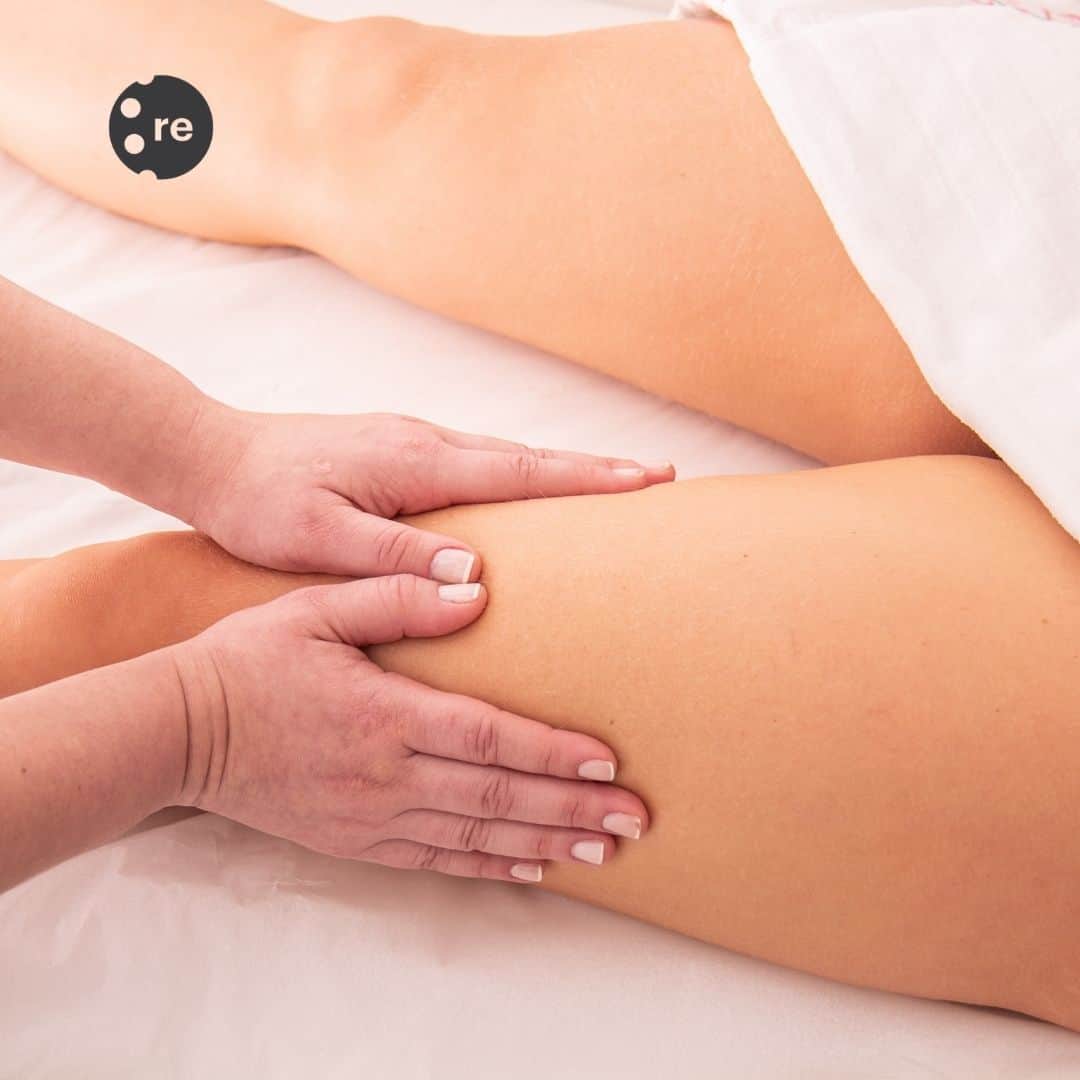
Manual lymphatic drainage (MLD) helps your body clear this fluid more efficiently. But the technique needs to be applied at the right stage of healing. Too early — before the incision is properly closed or before surgical drains are removed — and the wrong kind of pressure could disrupt healing. At the right time, MLD accelerates the body's natural recovery process and helps prevent complications like fibrosis (hardening of tissue).
Timing Guide by Procedure
Liposuction (Including Lipo 360, Vaser Lipo)
Most plastic surgeons recommend starting lymphatic drainage massage 2 to 5 days after liposuction, once initial wound closure is confirmed. Liposuction does not always involve external stitches, so the traditional "wait for stitch removal" rule does not apply here.
Early MLD after liposuction is particularly important because the procedure disrupts a large number of lymphatic vessels directly. Without drainage support, fluid can accumulate and harden into fibrous tissue — affecting the final cosmetic result. This is why many plastic surgeons now recommend MLD as a standard part of post-liposuction care.
Recommended programme: 2–3 sessions per week for weeks 1–2, reducing to 1–2 sessions per week as swelling resolves.
Always get clearance from your surgeon before your first session.
Tummy Tuck (Abdominoplasty)
We recommend waiting approximately 1 week after a tummy tuck before starting lymphatic drainage massage. The abdominal wall has undergone significant restructuring and needs time for initial tissue stabilisation.
After the first week, gentle MLD can begin — focusing on areas away from the incision line initially, then gradually working closer as healing progresses.
Recommended programme: 1–2 sessions per week for 4–6 weeks.
BBL (Brazilian Butt Lift)
BBL recovery requires special consideration because the transferred fat cells are particularly sensitive in the first few weeks. MLD can begin 3 to 5 days post-procedure in areas away from the buttocks (abdomen, flanks, thighs) — but direct pressure on the BBL site should be avoided until your surgeon clears it, typically at the 4–6 week mark.
Always confirm with your surgeon which areas can be treated and when.
Gynaecological and Abdominal Surgery
(Hysterectomy, Uterine Surgery, Ovarian Surgery, Hernia Repair)
For major abdominal or gynaecological surgery, we recommend waiting until stitches or staples are fully removed and the incision is completely closed — typically 1 to 2 weeks post-surgery depending on the procedure. Surgeon clearance is essential before beginning any treatment.
The first sessions will focus on general lymphatic clearing (legs, arms, upper body) to reduce the overall fluid load on the body, before gradually working toward the abdominal area as healing allows.
Recommended programme: 1–2 sessions per week for the first 4–6 weeks, adjusted based on recovery progress.
If you are experiencing significant pain, discharge, or other complications at the surgical site — please consult your surgeon before booking.
C-Section Recovery
C-section is a major abdominal surgery and requires a more conservative approach. We recommend waiting 5 to 7 weeks postpartum before starting lymphatic drainage massage, and always obtaining clearance from your OB-GYN first.
This timeline is designed to allow the uterine incision to heal fully and for postpartum hormonal changes to stabilise. The first sessions focus on reducing water retention and pelvic swelling — many new mothers notice their fingers are still swollen weeks after delivery and cannot wear their wedding ring. This is a direct result of the 50% increase in blood volume during pregnancy that the body needs time to process.
Additional C-section specific benefits include lactation support (relief from breast engorgement) and scar tissue management once healing is confirmed.
Recommended programme: 1 session per week for the first 6 weeks, increasing to 1–2 sessions per week if needed.
Natural Delivery (Postnatal)
For natural delivery without complications, lymphatic drainage massage can typically begin around 1 week postpartum. Always get clearance from your midwife or OB-GYN, especially if you experienced any tearing or complications during delivery.
Recommended programme: 1 session per week for the first 4–6 weeks.
For joint surgery, we recommend waiting 1 to 2 weeks before beginning lymphatic drainage massage — and surgeon clearance is essential, particularly because many joint surgery patients are prescribed blood-thinning medication post-operatively (which is a contraindication for MLD).
Once cleared, MLD can help reduce post-surgical swelling around the joint, support circulation, and complement your physiotherapy programme.
Always confirm with your surgeon and physiotherapist before booking.
How Many Sessions Do I Need?
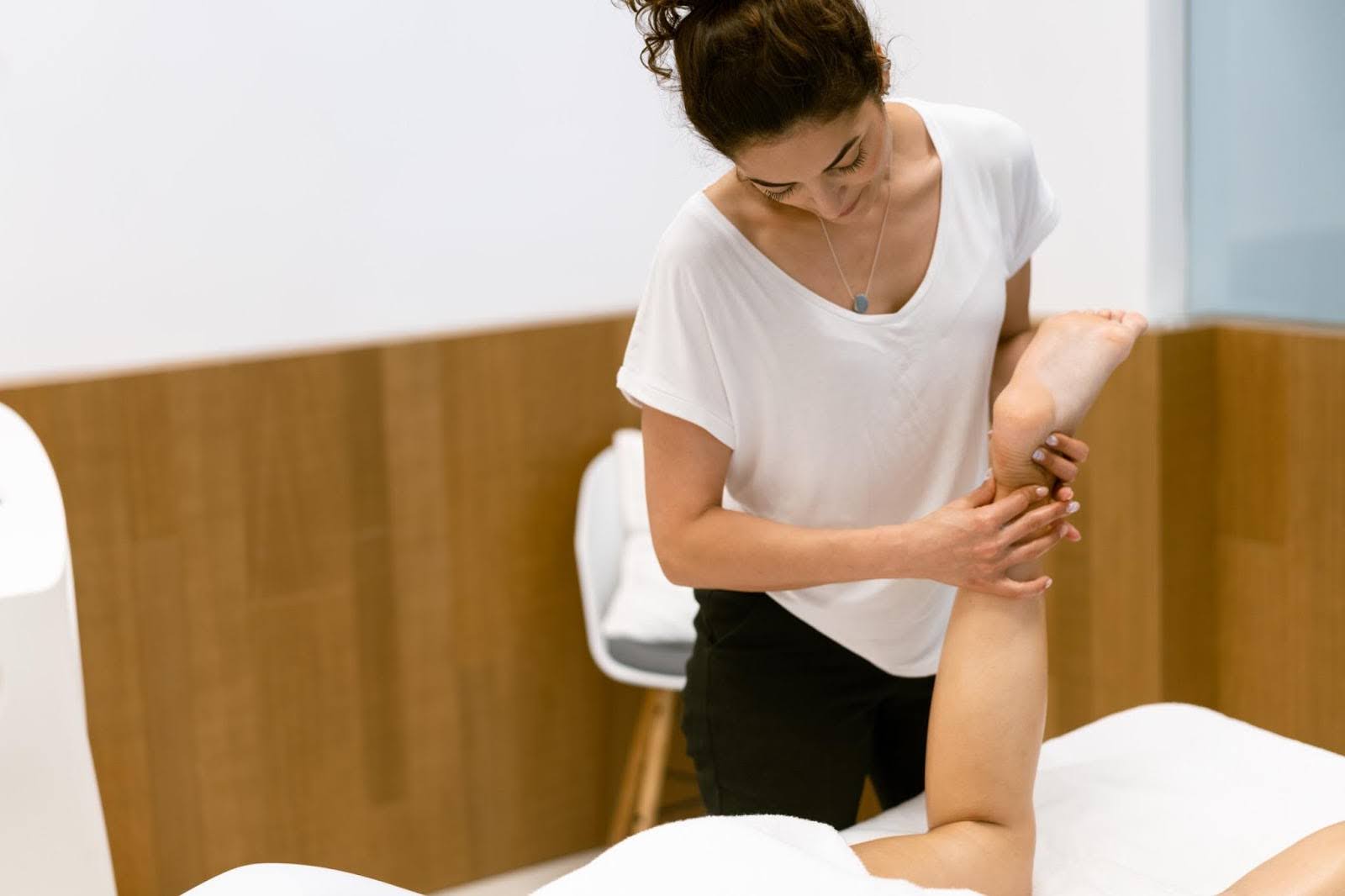
The number of sessions depends on your procedure, how far along you are in recovery, and how your body responds to treatment. There is no fixed number — Ms Diana assesses your progress at each session and adjusts her recommendations accordingly.
As a general guide based on clinical experience and published guidelines:
| Procedure | Recommended Sessions |
|---|---|
| Small area liposuction | 4–6 sessions |
| Multi-area liposuction (2–3 areas) | 8–12 sessions |
| Lipo 360 / extensive liposuction | 12–16 sessions |
| Tummy tuck | 6–10 sessions |
| C-section recovery | 6–8 sessions |
| Gynaecological / abdominal surgery | 6–10 sessions |
| Joint surgery | 8–12 sessions |
| General postnatal recovery | 4–6 sessions |
| General wellness / water retention | 1 session every 2–3 weeks |
These are starting points — not fixed protocols. Some patients see significant improvement in 3–4 sessions. Others with more significant swelling or a history of slow healing may benefit from more. Ms Diana will give you a personalised recommendation after your first session based on how your body responds.
Am I Ready for Lymphatic Drainage After Surgery?
Answer 3 quick questions to get a personalised recommendation based on clinical guidelines and your recovery stage.
How Long Is Each Session?
Every session at Re:Chiropractic is 90 minutes — and this is not arbitrary.
The body needs sustained manual work to reach the point where drainage from the blood vessels and lymph nodes becomes measurable. One of the clearest signs that lymphatic drainage is working is perspiration — the body releasing accumulated fluid as circulation responds. Reaching that point takes time. A 45-minute session simply does not get there.
You may have seen spas offering 45 or 60-minute lymphatic drainage sessions. What often happens is the body is warmed and relaxed — but not enough time has been spent on the manual lymph node work for real drainage to occur. Rather than admitting this, some providers will pressure you to top up with premium oils, extensions, or additional treatments midway through the session.
At Re:Chiropractic, you receive one transparent price — SGD 258 for a 90-minute session. No hard sell. No surprises. No pressure to top up. Everything is included.
How Do We Know When You're Ready to Reduce Sessions?
Ms Diana monitors several indicators across your sessions to determine whether your body is responding well and when frequency can be reduced:
- Swelling level — is the water retention or post-surgical puffiness visibly reducing session to session?
- Tissue texture — is the hardness around the surgical site softening?
- Patient comfort — is movement and daily activity becoming easier?
- Recovery milestones — has your surgeon cleared you for light physical activity?
- Session response — how much perspiration and fluid movement is occurring during treatment?
When these indicators show consistent improvement, Ms Diana will recommend spacing sessions further apart — transitioning from weekly to fortnightly, and eventually to monthly maintenance if appropriate.
Who Should NOT Come for Lymphatic Drainage Massage?
Lymphatic drainage massage is not appropriate for everyone. Please do not book if any of the following apply — contact us to discuss your situation first:
- Active deep vein thrombosis (DVT) or blood clots — this is a medical emergency, please see a doctor
- Active infection at or near the treatment site (wound infection, mastitis, abscess)
- Uncontrolled high blood pressure or postpartum pre-eclampsia
- Congestive heart failure or significant kidney conditions
- Currently undergoing active cancer treatment (discuss with your oncologist first)
- Pregnancy (consult your doctor — prenatal LDM requires specific medical clearance)
- Currently on blood-thinning medication post-surgery — confirm with your surgeon first
If you are unsure whether any of these apply to you, WhatsApp us before booking. Ms Diana will advise you honestly — including recommending you see a doctor first if needed.
Why Choose Re:Chiropractic for Post-Surgical Recovery?
Most lymphatic drainage massage in Singapore is performed in a spa or wellness setting — designed for relaxation, not clinical recovery. Re:Chiropractic is different.
We are a chiropractor-owned clinic with over 10 years in practice and 10,000+ patients treated. Ms Diana brings over 20 years of hands-on experience specifically in post-surgical and postnatal recovery. Our sessions combine manual lymphatic drainage with red light therapy and premium therapeutic ampoules — a clinical protocol, not a relaxation treatment.
You see the same therapist every session. Ms Diana tracks your progress, adjusts her technique between sessions, and builds a full picture of your recovery. This continuity of care is what makes the difference between one-off treatments and a structured recovery programme.
First visit: SGD 258 | 90 minutes | Lavender MRT
Frequently Asked Questions
Content prepared for Re:Chiropractic | sgpainsolutions.com Clinical content informed by Dr Jenny Li DC and Ms Diana (20+ years clinical experience) Evidence references: nodeandneedle.com, donaldmowldsmd.com, annepeledmd.com, lymphaspaandmassage.com
