
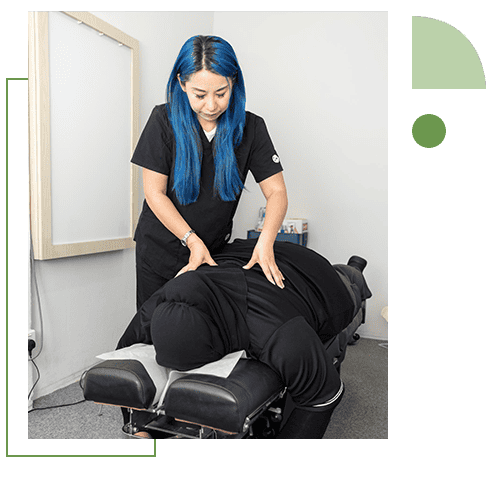
What Does a Chiropractor Do in Singapore?
A Comprehensive, Evidence-Based Guide to Chiropractic Care
If you are considering chiropractic care and wondering what a chiropractor actually does, you are not alone. In Singapore, chiropractic care is increasingly recognised as an evidence-based, non-invasive approach for managing musculoskeletal pain, posture-related issues, sports injuries, and spine-related conditions.
This guide explains what chiropractors do, how chiropractic care works, who it is suitable for, and includes real patient case studies from a Singapore clinic to help you better understand what chiropractic care looks like in practice.
What Is Chiropractic Care?
Chiropractic care is a healthcare discipline focused on the diagnosis, management, and prevention of neuromusculoskeletal conditions, particularly those involving the spine and nervous system.
Chiropractors assess how spinal alignment, joint mobility, muscles, and nerves interact to influence pain, movement quality, and overall physical function. Care is drug-free and non-surgical, with an emphasis on restoring normal biomechanics and reducing stress on the nervous system.

How Chiropractors Diagnose Musculoskeletal Problems

Health History Review
Includes work habits, daily posture, exercise routine, previous injuries, imaging reports, and sleep quality.

Physical & Neurological Examination
Assessment of spinal mobility, muscle tightness, posture, range of motion, and neurological signs.

Imaging (When Clinically Indicated)
X-rays or MRI reports may be reviewed when there is a history of trauma, disc injury, or persistent neurological symptoms.

Conditions Chiropractors Commonly Manage
- Lower back pain and neck pain
- Disc herniation and sciatica
- Sports injuries and joint dysfunction
- Postural and desk-related pain
- Chronic pain and degenerative conditions
Real Patient Case Studies from Our Singapore Clinic
Patient details have been anonymised for privacy.
Case Study 1 – Low Back Pain, Desk Work, and Poor Sleep Quality
Patient Profile
Male patient 41-year-old male, software engineer. He spends at least 8 hours daily in front of a computer and exercises occasionally (about once a week).
Main Complaint
Persistent lower back pain, worse when sitting for more than two hours and when transitioning from sitting to standing. Due to discomfort, he experienced frequent tossing and turning at night. Although he slept around 8 hours, Apple Health data showed poor deep sleep, and he woke up feeling fatigued.
Clinical Findings
- Significant restriction in lumbar spinal segments
- Tight quadratus lumborum (QL) muscles bilaterally
- Approximately 30% reduction in lumbar range of motion
- Difficulty maintaining upright sitting posture
- No numbness or tingling, but occasional “cool” sensation in the legs, likely related to reduced circulation
Care Approach
- Based on his goals (working pain-free and improving sleep quality), a combined approach was used:
- Chiropractic adjustments to improve lumbar mobility
- Soft tissue muscle release
- Dry needling to address deep muscular tension
- Postural and lifestyle guidance
Outcome
After 8 weeks of care:
- Pain scale improved from 7/10 to 3/10
- Less tossing and turning at night, significantly improved sleep quality
- Reduced daytime fatigue and improved work performance
- Coffee intake reduced from 4 cups to 2 cups per day
- Exercise frequency increased to 2 times per week with 45 minutes of cardio
This case highlights how a combined and holistic chiropractic approach can address both spinal and muscular contributors, leading to faster and more meaningful results.
Case Study 2 – Disc Herniation with Numbness and Tingling
Patient Profile
Male patient in his 50s with a history of recurrent disc herniation episodes.
Main Complaint
Severe lower back pain with numbness and tingling in the legs and feet, often described as a sensation of “ants crawling.” Pain scale was 8/10, requiring daily medication.
Clinical Findings
- MRI confirmed L5/S1 disc protrusion
- Age-related degeneration present
- Reduced joint mobility contributing to disc stress
- Care Approach
- A combined management plan was implemented:
- Chiropractic adjustments to improve spinal joint mobility
- Decompression therapy to reduce pressure on the affected disc
Care Approach
A combined management plan was implemented:
- Chiropractic adjustments to improve spinal joint mobility.
- Decompression therapy to reduce pressure on the affected disc.
Outcome
- After one full round of care (12 sessions):
- Pain scale reduced by approximately 50%
- Significant reduction in numbness and tingling sensations
- Improved daily function with less reliance on medication
This case demonstrates how chiropractic care, when combined with decompression therapy, can be beneficial even in degenerative and disc-related conditions.
Case Study 3 – Shoulder Pain in an Active Gym Enthusiast
Patient Profile
Male patient in his mid-40s, highly active in the gym and completed HYROX competitions twice within the year.
Main Complaint
Persistent shoulder pain during training despite maintaining high fitness levels.
Clinical Findings
- Reduced shoulder mobility
- Muscular tightness affecting movement efficiency
- Inadequate recovery routine (hydration, nutrition, rest)
Care Approach
- Chiropractic treatment to improve joint mobility
- Dry needling to accelerate muscle recovery
- Education on recovery strategies, nutrition, and rest between training sessions
Outcome
After 4 sessions:
- Significant improvement in shoulder range of motion
- Resolution of shoulder pain during workouts
- Improved training quality and recovery awareness
This case highlights the role of chiropractic care not just in pain relief, but also in performance optimisation and injury prevention.

Is Chiropractic Care Safe and Evidence-Based?
When delivered by a properly trained Doctor of Chiropractic, chiropractic care is considered safe and evidence-based for musculoskeletal conditions. Care plans are tailored based on age, clinical findings, and patient goals.
Final Thoughts
Chiropractors in Singapore play an important role in managing spine-related pain, sports injuries, and posture-driven conditions. Through thorough assessment, personalised care, and a holistic approach, chiropractic care can help patients move better, sleep better, and function better in daily life.
